User Experience Research
You Know Your Business. Do You Know Your Customers’ Experience?
We research how people experience your products, services, spaces, systems and technology, so you understand what works, where they struggle and what to improve.


From questions to
confident decisions.
We shape every study around the decision you need to make, the people affected and the evidence your team needs to move forward.
01
Understand
We align on the business decision, the people involved, the context and the questions the research must answer.
02
Design the Study
We select suitable methods, participant profiles, markets and safeguards, then set clear learning objectives.
03
Research
We listen, observe and test with relevant people to understand what works, what creates friction and why.
04
Analyze
We connect behaviour, feedback and context to identify patterns, differences, unmet needs and their underlying causes.
05
Recommend
We translate findings into prioritized recommendations, showing what to improve, why it matters and what evidence supports it.
06
Measure
Where the programme requires it, we establish a baseline and use follow-up research to track change and guide the next decision.
Experience happens
everywhere.
Study the moments that shape what people understand, trust, choose and do, across physical and digital products, services, environments, systems and journeys.

Research services for
real decisions
From an urgent usability question to a multi-market programme, we build the research around your decision, users, context and stage of development.
Work that makes
experiences better
Every project starts with a problem. We use research, strategy and UX thinking to understand it, find opportunities and create experiences that work better.

UX Insights
Practical thinking on human behaviour, research methods and experience decisions for teams responsible for products, services, spaces, systems and technology.

Research-Led UX
Across Every Sector
Sector knowledge helps us ask better questions. Research keeps us grounded in the people, risks, regulations and operating realities of your specific context.
- SaaS & Cloud
- Analytics
- Insurance
- Retail
- E-commerce
- Travel
- Transport
- Education
- Healthcare
- Government












Why partner with
UX Pacific
Partner with UX Pacific to turn real user insights into meaningful, high-performing digital experiences. We combine research, strategy and design to create solutions. With senior-led collaboration and clear communication, we stay involved from kickoff to delivery, designing experiences that work for both your users and your business.
Key Highlights
- Research-led & validated through interviews, audits, testing, and competitive analysis.
- Production-ready design with accessibility, responsive layouts, documentation, and developer specs.
- Senior-led & transparent with dedicated collaboration, clear deliverables, and no surprise charges.
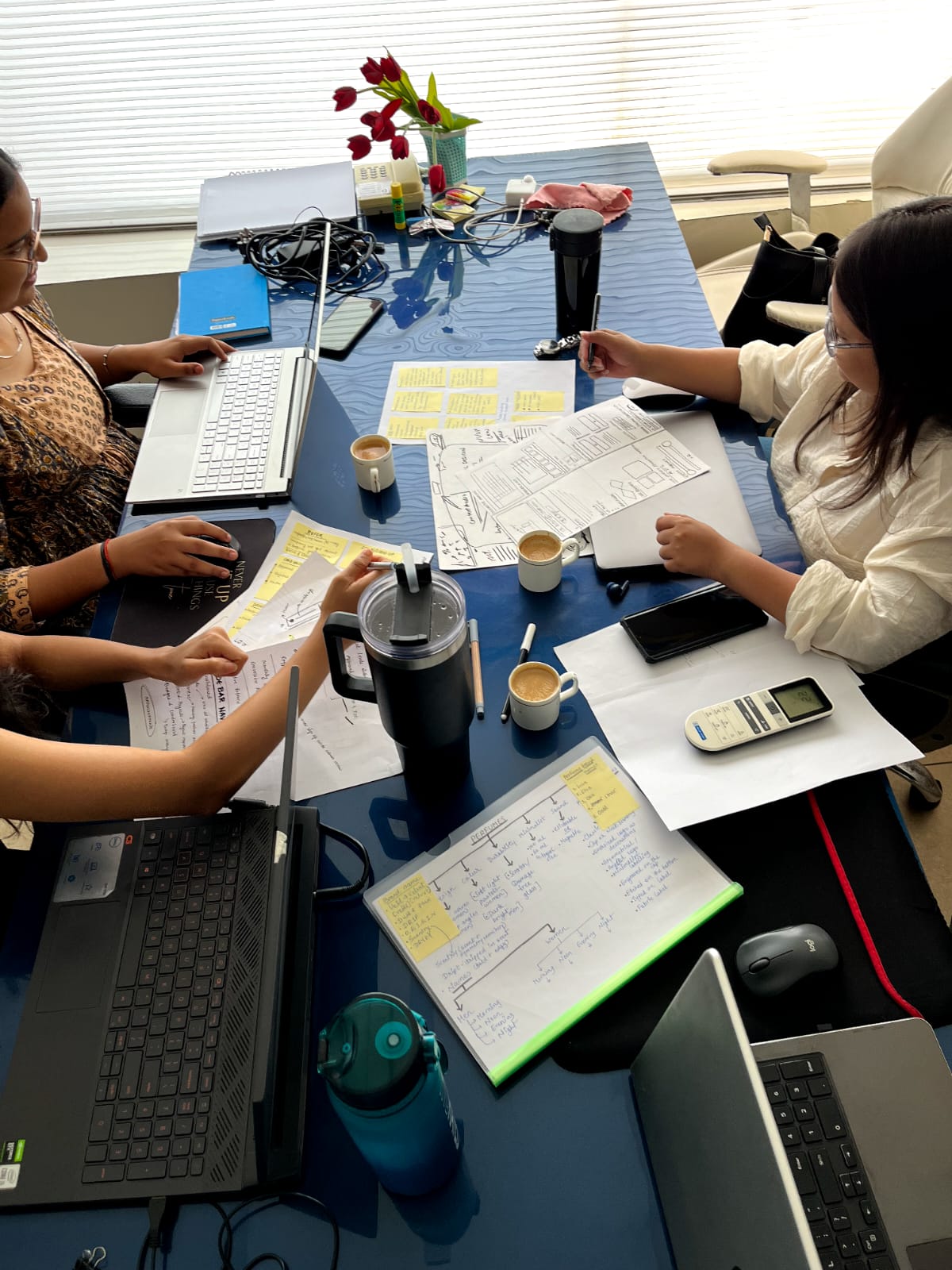

Designing Experiences, Not Just Interfaces
Frequently
Asked Questions
Clear answers to the practical questions teams ask before starting UX research. If your need does not fit a standard brief, describe the decision you are trying to make.
We study how people experience products, services, spaces, systems, technology, brands and journeys. Engagements can include foundational research, usability testing, journey research, field research, UX audits, benchmarking and multi-market studies.
Timing depends on the question, method, participant profile, number of markets and review process. After an initial discussion, we define the scope, milestones and realistic schedule before work begins.
We are a specialist user experience research company. Our primary role is to generate credible evidence about people and experiences, then translate it into clear direction. Design support can follow when it is part of the agreed scope.
Yes. Where useful, we can plan follow-up testing, longitudinal research, experience tracking or embedded research support. The cadence and responsibilities are agreed for each engagement.
Yes. We can structure global and multi-market research with a shared framework while accounting for local language, culture and context. The final market plan depends on participant feasibility and the needs of the study.
Let us help shape the next step
Have an experience question?
Let’s turn it into a research plan.
Share the decision, audience, markets and timing. We will help define the next step.