01
Prioritized Findings
A structured issue register organized by severity, affected workflow and potential user or business risk.
Case Study / Survey Pacific UX Audit
A structured review of complex research workflows, interface clarity and field-use requirements.

Research operations bring together detailed study setup, field activity, quality checks and reporting. The review examined how people move through these connected tasks and where interface complexity could increase effort, uncertainty or the risk of error.
The objective was to identify high-priority friction, clarify the workflows that matter most and translate the findings into practical recommendations for product, design and engineering decisions.
We reviewed priority workflows through heuristic evaluation, interface walkthroughs, accessibility checks and comparative analysis. Each finding was assessed in context, rather than treated as an isolated visual issue.
The output connected observed friction to the affected task, user risk and business consequence. Recommendations were grouped by severity and effort so teams could separate immediate fixes from changes requiring further research, prototyping or validation.
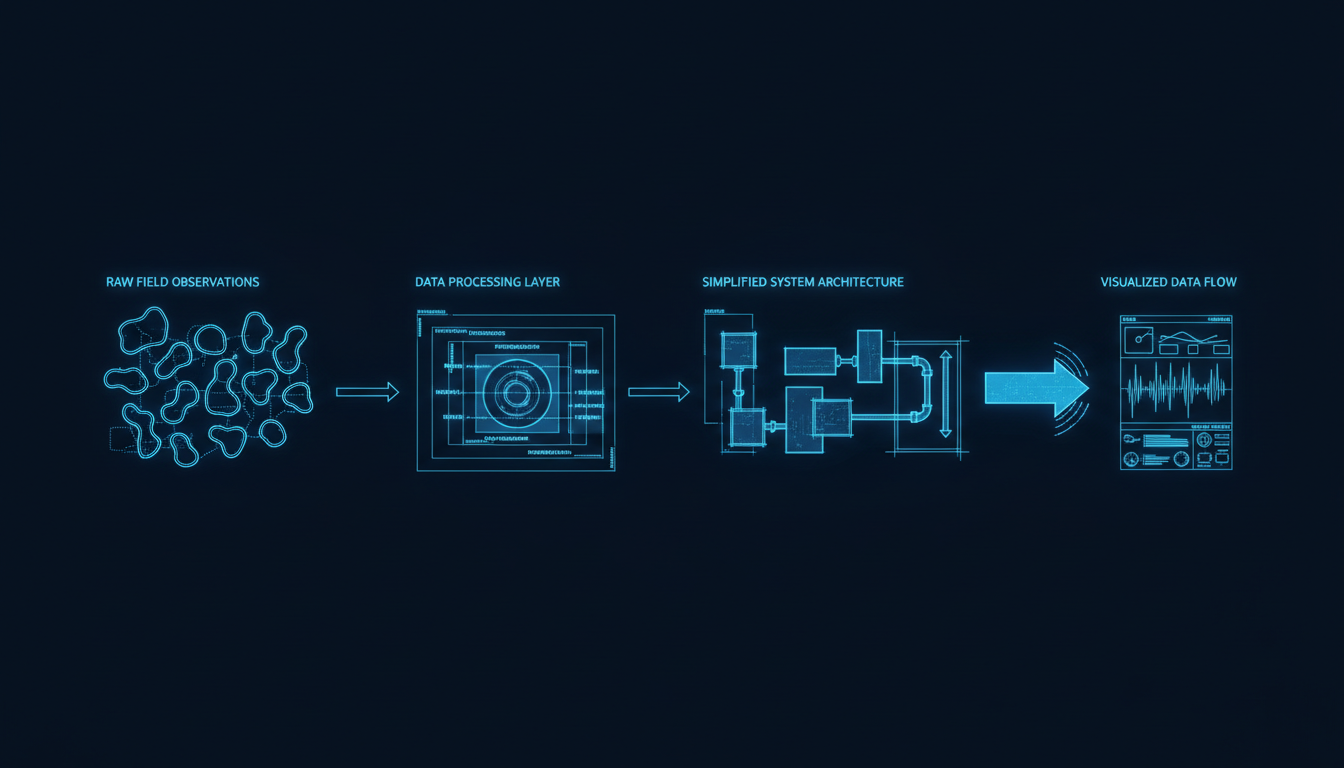

Research tools must support dense information without making users lose context. They also need to make status, dependencies and next actions visible enough for people to complete complex work with confidence.
The review therefore focused on clearer hierarchy, predictable interaction patterns, stronger system feedback and a more consistent experience across workflows, roles and device conditions.
The audit was designed to give teams a defensible view of what to improve, why it matters and what should happen next. Quantified outcomes require post-implementation measurement and are not claimed here.
01
Prioritized Findings
A structured issue register organized by severity, affected workflow and potential user or business risk.
02
Evidence-Led Recommendations
Recommendations linked to the observed problem, supporting rationale and intended experience improvement.
03
Validation Roadmap
A practical sequence for prototyping, usability testing and measuring change before wider implementation.
“A useful UX audit does not stop at identifying problems. It connects each finding to evidence, user risk and a practical next action.”
UX Pacific Research Principle
Applied to this engagement
Continue from an audit into benchmarking, testing and evidence-led improvement.
Let us help shape the next step
Share the users, decision and constraints. We will help shape the study.